
Car seat safety rules: What's the label on your car seat?
Have you ever wondered what the orange label on your car seat is there for? This label confirms that your car seat is secure and gives details about the safety standards it conforms to.

The two types of labels found on car seats and what they indicate
R129 (i-Size) car seats are the most recent safety standard, introduced in 2013, and have undergone more rigorous testing than the older R44 standard. They provide improved head and neck protection and require rear-facing travel until at least 15 months for added safety. Unlike R44 seats, which are based on weight, R129 seats are classified by height, making it easier to choose the right fit for your child. This regulation also includes stricter side-impact testing and prioritizes ISOFIX installation to reduce misuse.
The sale of R44 car seats has been prohibited in the EU since September 1st, 2024, as they have been fully phased out. However, if you already own an R44 seat, you can still use it legally. At Maxi-Cosi, we strongly recommend choosing an R129 car seat for the highest level of safety and protection.
Is i-Size the same than R129?
Yes. R129 car seats include the “i-Size” category which guarantees that the seats will fit in vehicles with an i-Size seating position. Note that some car seats are really big and may not fit in your vehicle's i-Size seating position; these larger seats are still tested R129, but cannot be called “i-Size”.
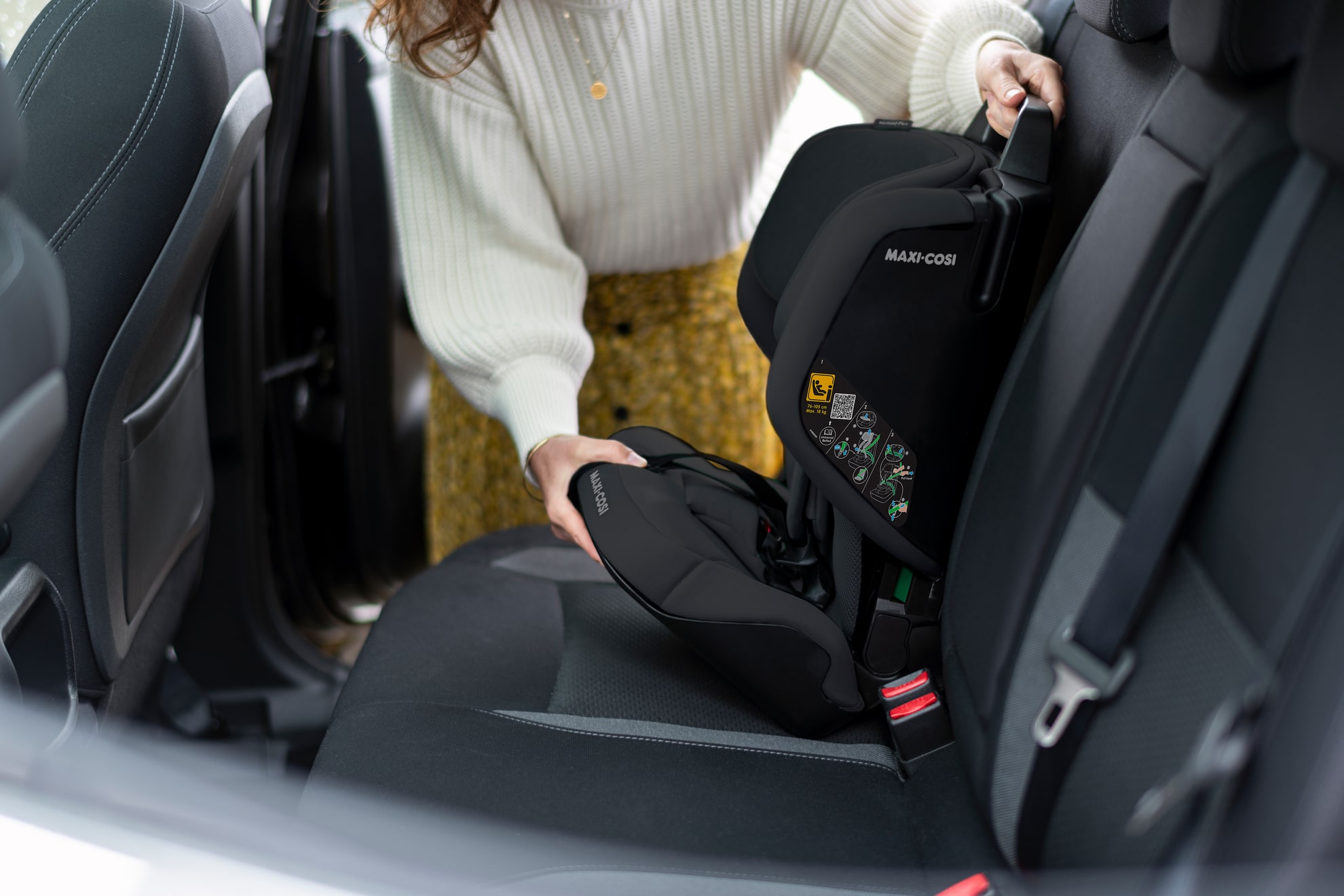
Where to find the orange label?
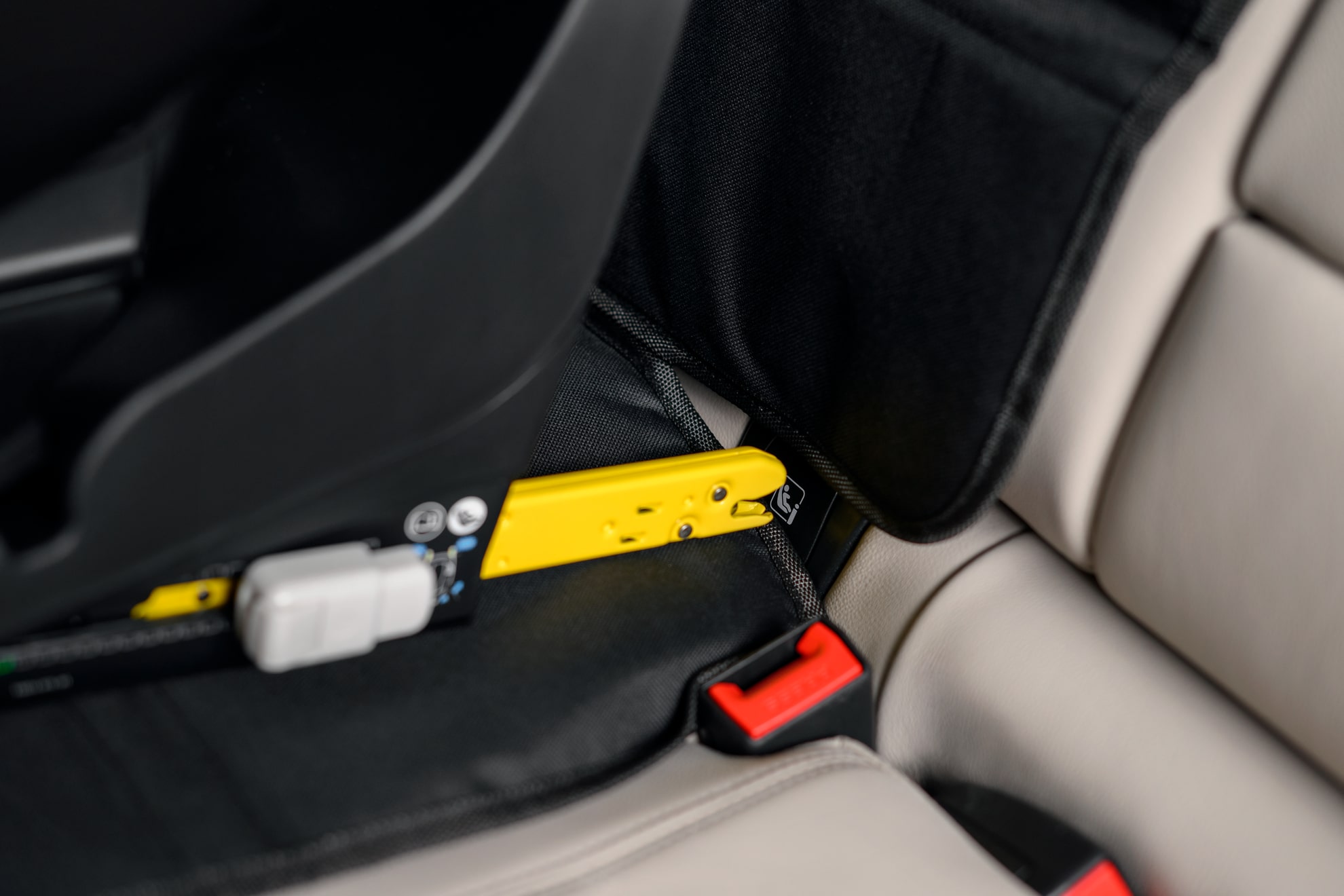
Take a look under or on the side of the car seat to find the printed orange label. An orange label guarantees that the car seat complies with the basic safety requirements as set out in the European safety standard.
What Does the Orange Approval Label Tell Me About My Seat?
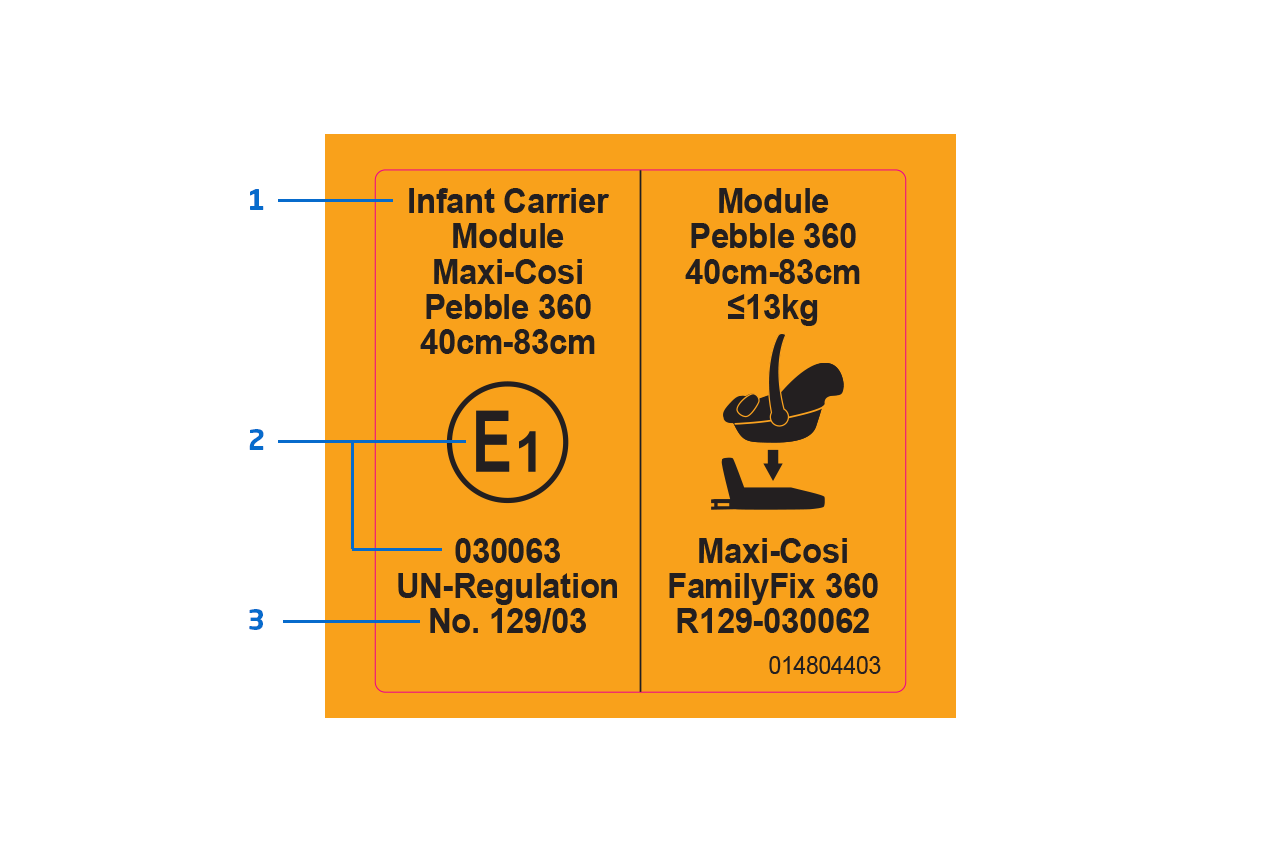
Every child car seat must have an orange approval label, which provides essential information about its safety certification. Here’s what it tells you:
1. Regulation and Version
The label confirms that the car seat complies with R129 (i-Size), the latest and safest European standard.
For example, R129/03 means the seat meets Regulation 129 and has been tested under the third update of the regulation.
2. Car Seat Type and Size Range
The label specifies whether the seat is i-Size (for universal compatibility) or vehicle-specific.
It also shows the height range (e.g., 40-105 cm) the seat is approved for, ensuring a proper fit for your child.
3. Approval Code and Country of Certification
The E1 (or another number) indicates the country where the seat was certified and tested.
The approval number (e.g., 030063) links the seat to its official government safety testing report.
4. Universal, Semi-Universal, or Vehicle-Specific Approval
If the seat is i-Size (R129), it is designed to fit in any i-Size-approved vehicle.
If the label includes "Universal" or "Semi-Universal," the seat may require additional compatibility checks for your car.
By checking the orange label, you can ensure your seat meets the latest safety standards and is the right fit for your child and vehicle.
Understanding the orange label on your car seat is essential for ensuring your child's safety. With R129 now the only approved standard for new car seats, choosing an i-Size model guarantees compliance with the latest regulations. Always check the label to confirm proper fit and safety certification for your child and vehicle.