
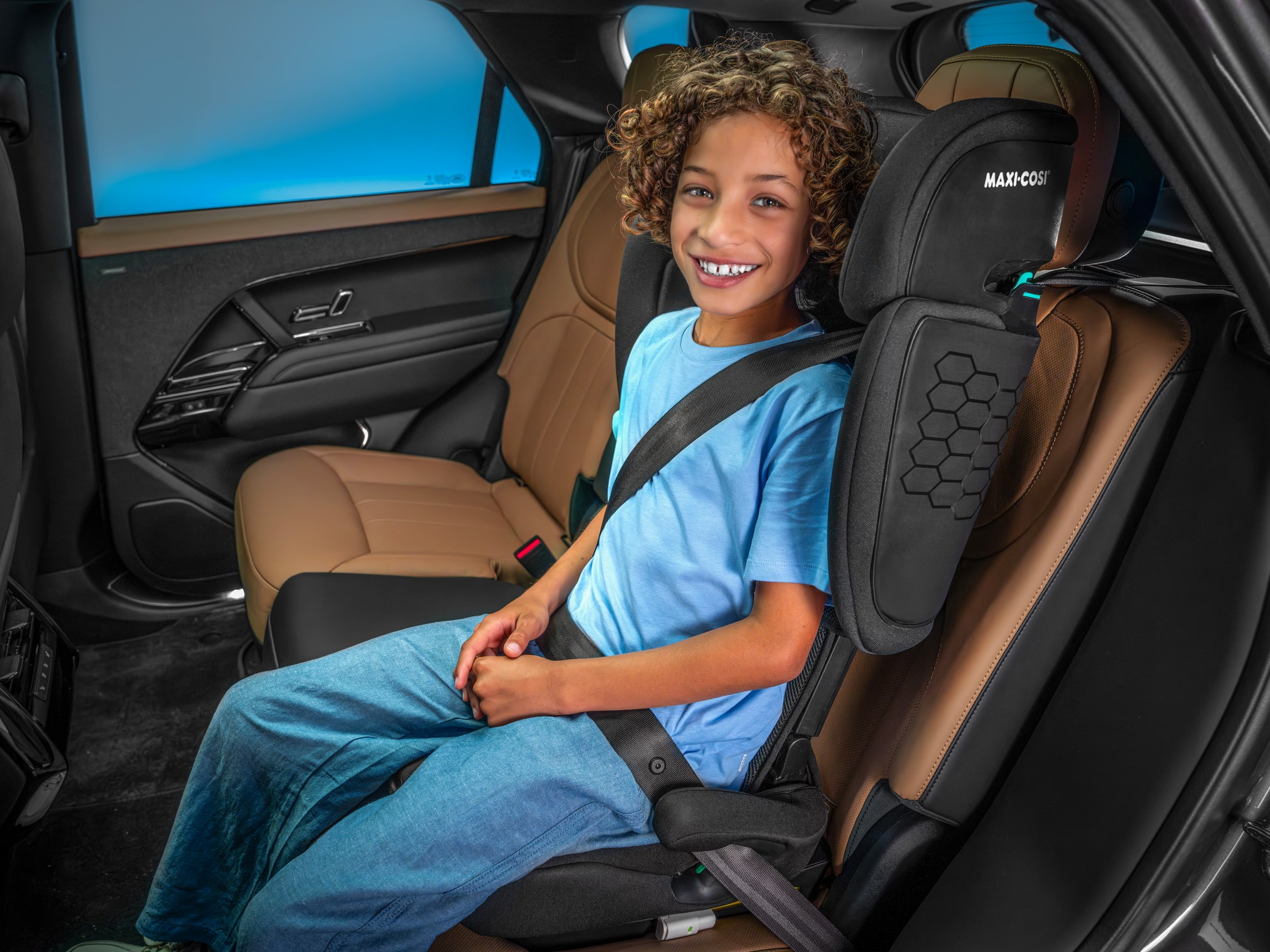
Travel safely with your child
As your child grows, their travel needs change, but safety should always come first. Whether you're driving to school, heading to after-school activities, or setting off on a family adventure, making sure your child is travelling in the right car seat or booster seat is essential. By choosing the correct seat for their height and ensuring they're buckled up properly before every journey, you can help keep them safe and comfortable wherever the road takes you.
When should my child move to a child car seat?
The right time to move to a child car seat depends on your child's height and weight rather than their age alone. Your child should remain in their current car seat until they reach the maximum height or weight limit specified by the manufacturer. Moving to the next stage too early can reduce the level of protection the car seat is designed to provide.
Whenever possible, keep your child rear-facing for as long as their current car seat allows. Once they have outgrown the rear-facing limits, they can transition to a forward-facing child car seat with a harness, provided it is suitable for their size and meets local regulations. A harness helps keep your child securely positioned and offers excellent protection as they continue to grow.
When is my child ready to stop using a booster seat?
Children should continue using a booster seat until the vehicle's seat belt fits them correctly. As a general guide, this is often when they are around 145 cm tall, typically between 8 and 12 years of age, although this varies depending on the child and local regulations. Always check the laws in your country before transitioning your child to using the vehicle seat belt alone.
The Seat Belt Fit Test
Your child is ready to travel safely without a booster seat only if they can pass all of the following checks:
- Back position: They can sit all the way back against the vehicle seat.
- Knee bend: Their knees bend naturally over the edge of the seat without slouching.
- Lap belt placement: The lap belt sits low and snug across the upper thighs or hips, never across the stomach.
- Shoulder belt placement: The shoulder belt crosses the middle of the chest and shoulder, not the neck or face.
- Posture control: They can remain in this correct seating position for the entire journey without leaning forward, slouching, or putting the seat belt behind their back or under their arm.
If your child does not meet all of these criteria, they should continue travelling in a booster seat. A correctly fitted booster helps position the seat belt as intended, providing better protection in the event of a collision.
Watch our video on how to install a toddler car seat with the seat belt
Frequently asked questions
When should my child move to a booster seat?
Your child should only move to a booster seat once they have outgrown the height or weight limits of their forward-facing harnessed car seat. Always follow the guidance in your car seat's user manual and local regulations before making the switch.
When can my child stop using a booster seat?
This depends on the laws in your country and your child's height. In many regions, children should continue using a booster seat until the vehicle seat belt fits correctly without one. Always check your local regulations before transitioning to the adult seat belt alone.
How should the seat belt fit my child?
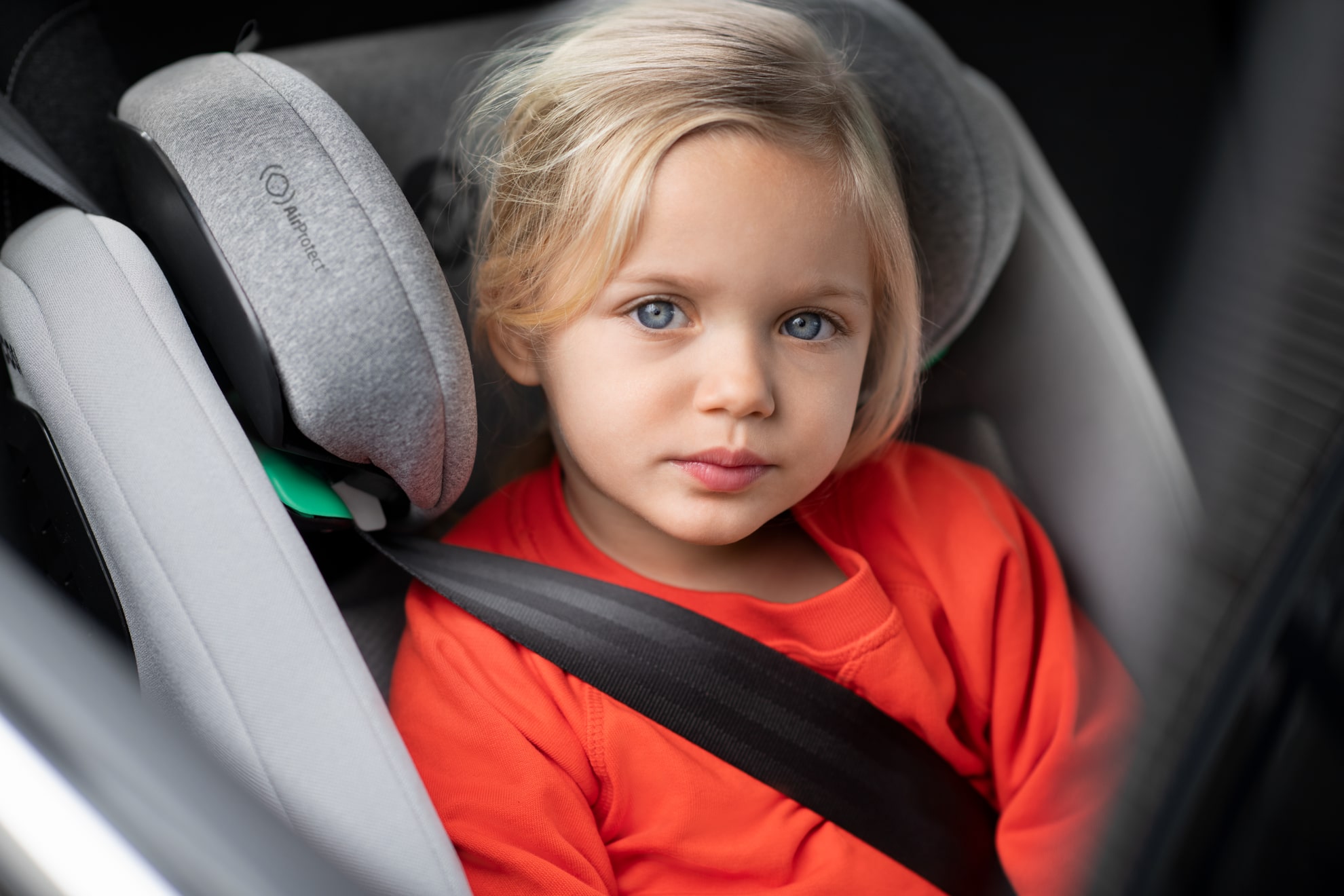
The shoulder belt should rest across the middle of your child's shoulder and chest, while the lap belt should lie low across their hips. If the belt sits on their neck or stomach, they are not yet ready to travel without a suitable booster seat.
Can my child buckle themselves in?
As children become more independent, they may want to buckle themselves in. It's still important for an adult to check that the seat belt is correctly positioned and securely fastened before every journey.
Can my child wear a winter coat in their car seat or booster?
Bulky coats can affect how securely the harness or seat belt fits. For the best protection, remove thick outerwear before buckling your child in and use a blanket over the harness or seat belt if they need extra warmth.